
1. Introduction
Learning a musical instrument is one of the most rewarding hobbies you can pick up at any age. Whether you dream of playing your favorite songs, joining a band, or simply expressing yourself creatively, music has the power to uplift, inspire, and connect.
However, as a beginner, choosing the best musical instrument for beginners can feel overwhelming. With so many options available, from keyboards to guitars and digital instruments, finding the one that suits your personality and lifestyle is key to enjoying the learning process.
In this guide, we’ll explore easy instruments to learn, factors to consider when selecting one, and practical tips to get you started. By the end, you’ll know exactly which beginner-friendly instrument is perfect for your musical adventure.
2. Factors to Consider Before Choosing a Musical Instrument
Before rushing out to buy your first instrument, take a moment to consider these essential factors. They’ll help you make a smart, satisfying choice that aligns with your goals and lifestyle.
1. Personal Interest and Music Taste
Ask yourself: what kind of music do you love? If you’re into pop or rock, a guitar or keyboard might be ideal. Jazz or blues lovers may enjoy the harmonica, while classical music fans could start with the violin or piano.
2. Age and Physical Comfort
Your age and physical ability play a big role. Children often do best with lightweight, small instruments like the ukulele or recorder, while adults can handle larger ones like guitars, drums, or keyboards.
3. Budget and Maintenance Costs
Certain instruments, like ukuleles and recorders, are inexpensive and simple to maintain. Some can be more costly, such as drum equipment or violins. Always account for maintenance, replacement parts, and accessories.
4. Portability and Sound Level
If you live in an apartment, a digital keyboard with headphones or an electronic drum set can save you from noise complaints. Portability is also key—if you plan to travel, something compact like a harmonica or ukulele is ideal.
5. Learning Resources
When asking how to choose a musical instrument for beginners, always check the availability of learning tools. Does the instrument have online tutorials, apps, or local teachers? The easier it is to find guidance, the quicker you’ll progress.
3. Top 10 Best Musical Instruments for Beginners
Let’s explore the most beginner-friendly instruments to help you start your musical journey.
3.1. Keyboard / Piano
The keyboard or piano tops the list for many beginners. It teaches essential music theory—notes, scales, and harmony—that applies to most instruments.
Pros:
- Builds strong musical foundation
- Wide range of affordable digital keyboards
- Great for both kids and adults
Cons:
- Takes time to master coordination
Beginner Tip: Start with a 61-key digital keyboard and use learning apps like Simply Piano or Flowkey.
3.2. Guitar (Acoustic & Electric)
The guitar is one of the most popular instruments worldwide and a versatile choice for all ages.
Pros:
- Ideal for pop, rock, country, or classical styles
- Plenty of free online lessons
- Portable and expressive
Cons:
- Can be tough on fingers initially
Beginner Tip: Start with an acoustic guitar with nylon strings—they’re gentler for beginners.
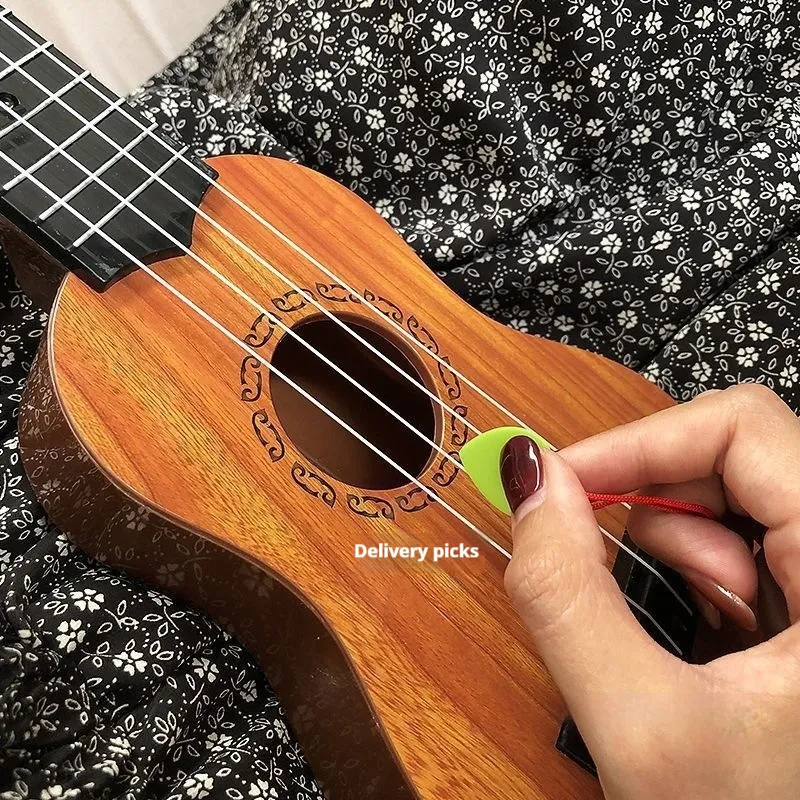
3.3. Ukulele
Small, light, and joyful—the ukulele is one of the easiest instruments to learn.
Pros:
- Simple chords and soft strings
- Perfect for kids and adults alike
- Affordable
Cons:
- Limited sound range compared to guitars
Beginner Tip: Learn the four basic chords (C, G, Am, F) to play hundreds of songs quickly.
3.4. Violin
The violin helps develop pitch accuracy and coordination.
Pros:
- Excellent ear training
- Suitable for classical and folk music
Cons:
- Steeper learning curve
Beginner Tip: Rent a violin before buying and use tuning apps for accurate practice.
3.5. Drums (Acoustic & Electronic)
If you love rhythm, drums are perfect.
Pros:
- Great for stress relief and timing
- Builds coordination
Cons:
- Loud (unless you opt for electronic drums)
Beginner Tip: Use practice pads or electronic kits for quieter sessions at home.
3.6. Recorder / Flute
Often introduced in schools, the recorder is one of the best instruments for young beginners.
Pros:
- Low cost and portable
- Easy to learn simple melodies
Cons:
- Limited tonal variety
Beginner Tip: Start with a plastic recorder before upgrading to a wooden one.
3.7. Harmonica
Small but powerful, the harmonica is an amazing entry point for blues, folk, and country fans.
Pros:
- Extremely portable
- Inexpensive
- Instant gratification with simple tunes
Cons:
- Limited range for complex music
Beginner Tip: Start with a 10-hole diatonic harmonica in the key of C.
3.8. Cajón / Percussion Box
The Cajón, a wooden percussion box, is simple yet satisfying.
Pros:
- Easy to play basic rhythms
- No tuning or maintenance needed
Cons:
- Limited melodic options
Beginner Tip: Great for rhythm training and acoustic jam sessions.
3.9. Cello (String Option)
If orchestral or cinematic music excites you, the cello is a wonderful but slightly challenging option.
Pros:
- Deep, expressive sound
- Essential for orchestral music
Cons:
- Requires commitment and patience
Beginner Tip: Choose a lightweight beginner cello and take lessons to learn posture and bowing.
3.10. Digital Instruments (MIDI Controllers, Apps)
For tech-savvy learners, digital instruments for beginners—like MIDI controllers or music apps—offer creative flexibility.
Pros:
- Endless sound possibilities
- Affordable software options
- Perfect for electronic music
Cons:
- Requires a computer or tablet
Beginner Tip: Try GarageBand or FL Studio to start composing right away.
4. Easiest Instruments to Learn Quickly
If you want to start playing songs within weeks, here are the easy instruments to learn quickly:
- Ukulele
- Keyboard
- Recorder
- Cajón
- Harmonica
These instruments are intuitive, affordable, and offer quick gratification for beginners eager to make music fast.
5. Best Instruments for Different Age Groups
👧 For Kids (5–12 years)
- Recorder: Teaches melody and rhythm basics.
- Ukulele: Light and perfect for small hands.
- Keyboard: Builds understanding of notes and chords.
👦 For Teens
- Guitar: Cool and versatile.
- Drums: Great for rhythm and energy.
- Digital Keyboard: Encourages creativity and song-making.
👩 For Adults
- Piano: Meditative and expressive.
- Harmonica: Easy to carry and fun to learn.
- Violin: Rewarding for focused learners.
Choosing the best instrument for kids or adults to learn depends on time, patience, and personal passion.
6. Tips for Beginners Learning a Musical Instrument
- Set realistic goals: Progress takes time.
- Practice daily: Even 15 minutes makes a difference.
- Start with online lessons or apps: Learn at your own pace.
- Join communities: Support from others keeps you motivated.
- Record your progress: It’s inspiring to hear how far you’ve come.
7. Common Mistakes Beginners Should Avoid
- Choosing an instrument based on trends rather than interest.
- Ignoring basic music theory.
- Failing to maintain or tune the instrument.
- Quitting too early—consistency is key!
8. Conclusion
The best musical instrument for beginners is the one that excites you the most. Whether it’s strumming a ukulele, tapping a Cajón, or mastering the piano, passion and persistence matter more than perfection.
Start small, enjoy the process, and let music become your lifelong companion. 🎶
Ready to begin? Visit your local music store or explore online courses today—your first note is waiting.
9. FAQs (SEO-Rich Snippets)
Q1. What is the easiest musical instrument to learn?
The ukulele and keyboard are often considered the easiest instruments for beginners.
Q2. Which instrument is best for kids?
The recorder, ukulele, or keyboard are great for young learners due to their simplicity and size.
Q3. Can adults learn an instrument easily?
Absolutely! Adults often learn faster because they’re more disciplined and focused. The piano or harmonica are excellent choices.
Q4. How much does a beginner instrument cost?
You can start for as little as $30–$100 for instruments like the ukulele, recorder, or harmonica, while keyboards and guitars range from $100–$300.
✅ Whether you’re 7 or 70, the right instrument can open a lifetime of joy, creativity, and connection. Start your musical journey today!