

1. Introduction
Types Of Indian Music India’s musical landscape is as vast and diverse as the country itself. From the soulful ragas echoing in ancient temples to the energetic beats of modern Bollywood, Indian music is a celebration of emotion, culture, and spirituality. With roots that stretch back thousands of years, music in India is more than just an art form—it is a way of life, deeply intertwined with religion, tradition, and daily existence.
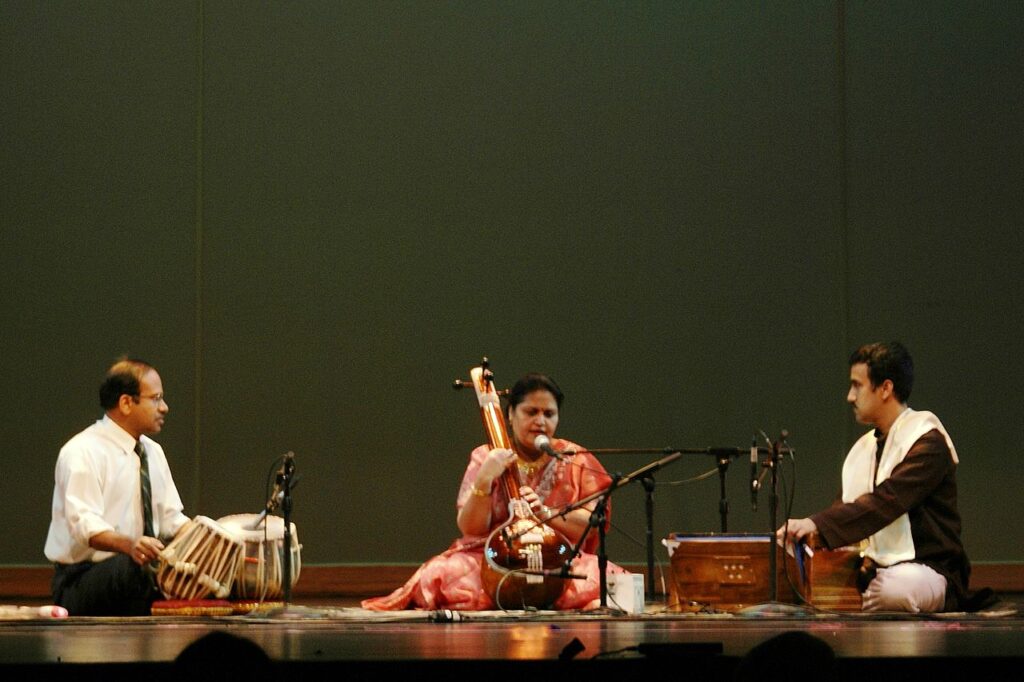
The types of Indian music can broadly be divided into classical, folk, devotional, film, and fusion genres, each with its own unique style, instruments, and historical evolution. Whether it’s the intricate rhythms of Hindustani classical, the structured beauty of Carnatic music, or the lively beats of Bhangra and Garba, every note tells a story of India’s multifaceted identity.
In this article, we explore the different types of Indian music, tracing their origins, characteristics, and the influence they continue to have on global soundscapes.
2. The Roots of Indian Music
The roots of Indian music trace back over 3,000 years to the time of the Vedas, the oldest sacred scriptures of Hinduism. The Sama Veda, in particular, is often regarded as the earliest text related to Indian musical tradition, where hymns were sung rather than recited. These ancient chants laid the foundation for the melodic and rhythmic patterns that evolved into classical music.
Music in ancient India was not merely entertainment—it was considered a divine offering. Temples became centers for musical performance, and instruments like the veena, mridangam, and flute were central to rituals and festivals. Over centuries, regional influences, dynastic patronage, and cultural exchanges with Persia and Central Asia further enriched Indian music.
From these ancient beginnings arose the structured forms of Hindustani and Carnatic classical music, as well as countless folk and devotional traditions. Together, they form the vibrant tapestry of India’s musical heritage that continues to evolve today.
3. Indian Classical Music
Indian classical music is one of the oldest and most complex musical systems in the world. It is built around the concepts of raga (melodic framework) and taal (rhythmic cycle). Classical music in India is divided into two major traditions: Hindustani classical music from the North and Carnatic classical music from the South.

a. Hindustani Classical Music (North Indian)
Hindustani music evolved in Northern India, influenced by Persian and Mughal musical traditions during the medieval period. It focuses heavily on improvisation and emotional expression. Performances often begin with an alap, a slow, unmetered exploration of the raga, followed by rhythmic compositions set to a taal.
Key instruments include the sitar, tabla, sarod, sarangi, and tanpura, each contributing to the depth of sound. Prominent styles within Hindustani music include Dhrupad (the oldest and most spiritual form), Khayal (imaginative and expressive), and Thumri (romantic and semi-classical). Legendary artists such as Pandit Ravi Shankar, Ustad Bismillah Khan, and Ustad Zakir Hussain have played pivotal roles in taking Hindustani music to global audiences.
b. Carnatic Classical Music (South Indian)
Carnatic music, dominant in South India, has a more composition-based structure compared to the improvisational nature of Hindustani music. It is deeply rooted in devotion and is often performed in temples or during festivals. Central elements include Kriti (compositions), Varnam (introductory pieces), and Ragam-Tanam-Pallavi (a showcase of creativity and technical mastery).
Instruments like the veena, violin, mridangam, and ghatam are integral to Carnatic performances. The “Trinity of Carnatic Music”—Tyagaraja, Muthuswami Dikshitar, and Syama Sastri—composed thousands of devotional pieces that remain timeless. Iconic voices such as M.S. Subbulakshmi and Semmangudi Srinivasa Iyer brought this art form to the world stage.
4. Top 2 Types Of Indian Folk Music
Folk music is the heartbeat of rural India. It reflects the daily lives, beliefs, and traditions of people across various states and communities. Each region has its own distinctive rhythm, instruments, and lyrical themes, making Indian folk music incredibly diverse.
Top 2 Types Of Indian Music In Punjab, the Ultimate beats of Bhangra and Giddha celebrate harvests and festivals. Rajasthan’s Manganiyar and Langa communities mesmerize audiences with soulful ballads sung to the accompaniment of the kamaicha and dholak. West Bengal’s mystical Baul singers wander from village to village, spreading spiritual and amazing messages through song.
Gujarat’s Garba and Dandiya Raas, performed during Navratri with colorful costumes and traditional drums, combine fast-paced rhythms with expressive dance. The Bihu songs of Assam, Nautanki of Uttar Pradesh, and Pandavani of Chhattisgarh narrate folklore, mythology, and social stories.
What makes Indian folk music special is its simplicity and emotional power. Passed down orally through generations, Types Of Indian Music it continues to evolve, influencing modern music genres, including Bollywood and fusion. Even today, folk music remains the most authentic expression of India’s cultural soul.
5. Devotional and Spiritual Music
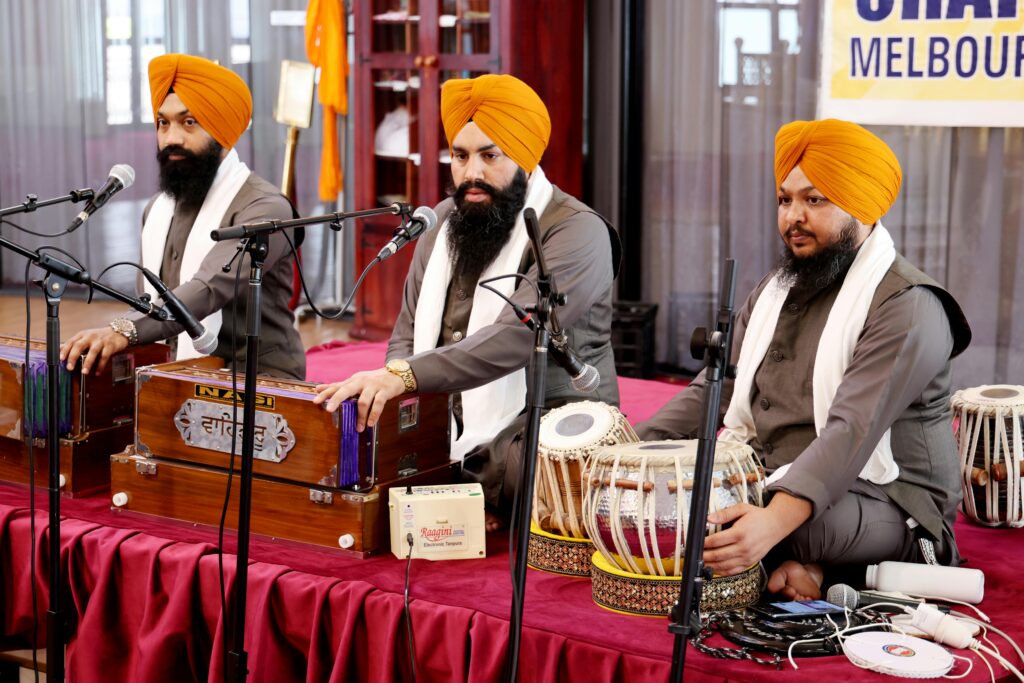
Devotion has always been a central theme in Indian music. Bhajans, Kirtans, and Aartis are integral to Hindu worship, while Qawwalis and Sufi music embody the mystical traditions of Islam. These devotional songs are not just prayers but pathways to spiritual connection.
Composers and saints like Meera Bai, Tulsidas, Kabir, and Surdas used music to express divine love and social messages. Similarly, Amir Khusrau’s compositions gave birth to Qawwali, blending Persian and Indian influences.
Performed with harmonium, tabla, dholak, and clapping, devotional music often emphasizes repetition and call-and-response singing to invoke spiritual ecstasy. Modern singers like Anup Jalota, Kailash Kher, and Abida Parveen have carried these traditions forward, inspiring millions worldwide.
Whether in temples, mosques, or spiritual gatherings, devotional music continues to uplift hearts and souls, transcending religion and region.
6. Contemporary and Film Music
No discussion of Indian music is complete without mentioning film music, especially Bollywood. Since the early 20th century, Indian cinema has played a crucial role in popularizing music, creating a bridge between classical, folk, and modern influences.
The golden era of Bollywood (1950s–1970s) saw timeless melodies by composers like S.D. Burman, R.D. Burman, and Naushad, brought to life by legendary singers Lata Mangeshkar, Kishore Kumar, and Mohammed Rafi. Their songs became part of India’s cultural identity.
In recent decades, Indian film music has embraced global influences—pop, jazz, rock, and electronic sounds—while maintaining its melodic roots. Composers like A.R. Rahman, Shankar–Ehsaan–Loy, and Pritam have revolutionized the sound of Indian cinema, blending Indian classical with international styles.
Beyond films, the rise of indie music, YouTube artists, and music streaming platforms has created a vibrant independent music scene. Singers like Arijit Singh, Prateek Kuhad, and Jonita Gandhi are reshaping what Indian contemporary music sounds like today.
7. Fusion and Global Influence
As Indian music reaches global audiences, fusion genres have emerged, blending traditional Indian sounds with Western music. The combination of ragas with jazz, rock, EDM, or hip-hop has created new and exciting sonic landscapes.
Artists like Anoushka Shankar, Zakir Hussain, and A.R. Rahman and bands like Indian Ocean and The Raghu Dixit Project have successfully merged Indian classical and folk elements with global rhythms. Their collaborations with international artists have introduced Indian music to new listeners across the world.
Digital platforms and streaming services have further amplified this reach, Types Of Indian Music allowing regional music from India to gain global recognition. Today, Indian fusion music is performed at international festivals and used in global cinema, advertising, and even meditation spaces.
Fusion not only bridges cultures but also ensures that Indian music continues to evolve—remaining timeless, yet contemporary.
8. Conclusion
Indian music is not merely a compilation of melodies, but a dynamic tradition that embodies the nation’s heart and spirit. Types Of Indian Music From the ancient chants of the Vedas to the pulsating beats of Bollywood, from devotional hymns to experimental fusion, every genre represents a different facet of India’s cultural diversity.
Despite modernization, the essence of Indian music remains unchanged—rooted in emotion, spirituality, and storytelling. As it continues to influence generations across the world, Indian music stands as a testament to the country’s timeless creativity and universal appeal.
Types Of Indian Music Whether you are drawn to the meditative ragas, the festive folk tunes, or the energy of contemporary hits, there’s a rhythm in Indian music for everyone—a melody that transcends borders and speaks directly to the soul.
🎵 Q&A: The Soul and Struggle Behind the Types of Indian Music
**Q1: Why is Indian music often called “timeless and magical”?
A:** The different types of Indian music — from classical to folk — are often described as timeless and magical because they carry centuries of emotion, devotion, and artistry. Each raga, rhythm, and lyric represents a spiritual connection that transcends generations. The beauty of Indian music lies in its depth and emotion, but mastering any of the types of Indian music demands patience, discipline, and lifelong dedication.
**Q2: What are the main types of Indian music that shape its identity?
A:** The main types of Indian music include:
- Indian Classical Music (Hindustani & Carnatic)
- Folk Music of India
- Devotional Music
- Bollywood Music
- Fusion Music in India
Each of these types of Indian music tells a unique story — from the meditative calmness of classical ragas to the vibrant beats of folk songs. The richness of these types of Indian music defines India’s cultural diversity, but preserving their originality in a modern, digital world is a growing challenge.
**Q3: What makes Indian classical music powerful yet challenging?
A:** Among all the types of Indian music, Indian classical music stands out for its spiritual depth and technical brilliance. Ragas like Yaman or Bhairavi can uplift the soul and create emotional balance. The power of this type of Indian music lies in its purity and meditation-like quality. Yet, it’s also one of the toughest types of Indian music to learn — with complex talas, improvisations, and years of practice needed to master it.
**Q4: How does the folk music of India keep traditions alive?
A:** Folk music is one of the most vibrant types of Indian music, capturing the raw spirit of rural India. It reflects life, love, harvest, and community celebrations. This type of Indian music connects people across generations and preserves local heritage. The positive side is its authenticity and emotion; the downside is that many folk forms are fading due to modern influences. Still, reviving this type of Indian music brings unmatched energy and pride to India’s cultural landscape.
**Q5: What makes Bollywood music so captivating — and sometimes controversial?
A:** Bollywood music is one of the most popular types of Indian music worldwide. It blends traditional melodies with modern beats, creating catchy and emotional songs. The strength of this type of Indian music lies in its mass appeal and global recognition. However, over-commercialization sometimes overshadows artistic depth. Yet, when crafted with heart — like in A.R. Rahman’s works — Bollywood remains one of the most magical types of Indian music.
**Q6: Why is fusion music in India considered revolutionary?
A:** Fusion music represents the modern evolution of traditional sounds — a creative type of Indian music that blends classical ragas with rock, pop, or electronic genres. Among all types of Indian music, fusion is the bridge between old and new. It attracts younger audiences and global listeners alike. The bright side is innovation; the challenge is preserving authenticity. Still, this type of Indian music proves that Indian creativity knows no boundaries.
**Q7: How does devotional music bring peace — and what challenges does it face today?
A:** Devotional music is one of the most spiritual types of Indian music. From bhajans and kirtans to qawwalis, it brings peace, faith, and emotional healing. The beauty of this type of Indian music lies in its ability to connect hearts and create divine calm. However, with commercialization, some devotional songs lose their sacred essence. When sung with sincerity, though, this remains one of the most uplifting types of Indian music.
**Q8: What’s the biggest challenge facing all types of Indian music today?
A:** The biggest challenge for all types of Indian music in today’s digital age is balance — between tradition and technology. While streaming platforms have made Indian music global, they also promote short-term trends. Each type of Indian music — classical, folk, Bollywood, fusion, and devotional — must adapt while keeping its original essence alive.
**Q9: How can listeners truly experience the essence of Indian music?
A:** To truly experience the types of Indian music, listeners should explore beyond mainstream hits. Attend a classical concert, enjoy regional folk performances, listen to soulful devotional songs, or dive into fusion experiments. Experiencing all these types of Indian music helps you understand India’s emotional, cultural, and spiritual identity through sound.